
Phlebotomy Training Program: Everything You Need to Know Before You Enroll
This blog contains everything you need to know before enrolling in a phlebotomy training program, including flexible schedules, hands-on learning, program duration, and career opportunities. It also explains how practical healthcare education helps w

This blog contains everything you need to know before enrolling in a phlebotomy training program, including flexible schedules, hands-on learning, program duration, and career opportunities. It also explains how practical healthcare education helps working adults and career changers build job-ready skills faster for stable healthcare careers.
Starting a healthcare career can feel exciting and a little overwhelming at the same time. You want stable work, real training, and a program that does not take years to finish. That is why many adults choose a phlebotomy training program to enter the healthcare field faster. These programs focus on practical skills, flexible schedules, and hands-on experience that get students ready for entry-level medical careers.
Healthcare training has also become more career-focused in recent years. Short-term certification programs are growing across the United States because adults want quicker paths to stable jobs. Practical learning and flexible schedules now matter more than ever for working professionals and career changers.
Why Are More Adults Choosing Phlebotomy Careers
Many adults want careers that offer stability without requiring four years of college. Phlebotomy is a smart choice because training is shorter and focused on job-ready skills. Students start learning hands-on procedures much sooner instead of spending years in textbooks.
Healthcare facilities also need trained professionals who can handle blood collection and patient support. This steady demand makes phlebotomy an appealing option for adults who want reliable work. For many, it feels like finding a clear doorway into healthcare without having to climb a mountain first.
What Does a Phlebotomy Training Program Actually Teach
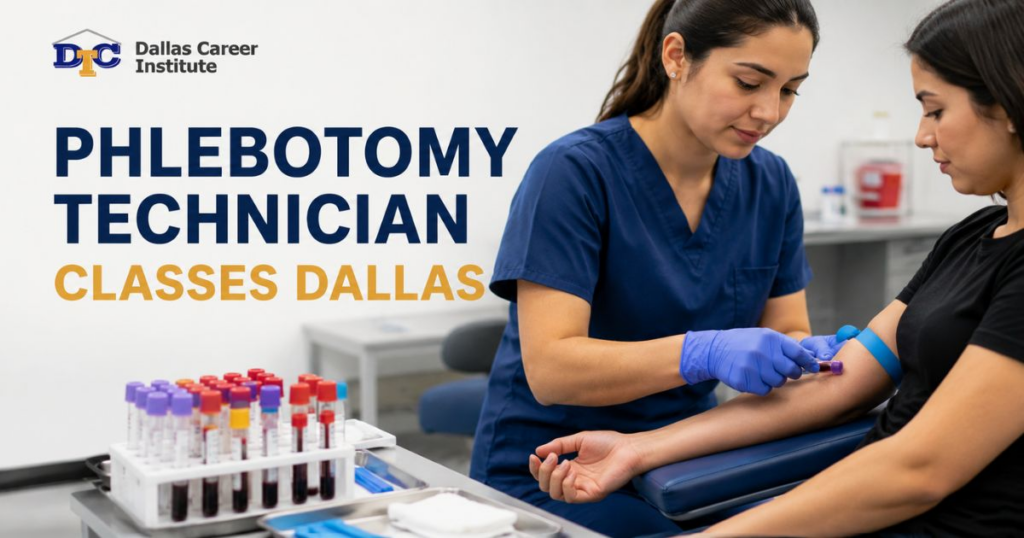
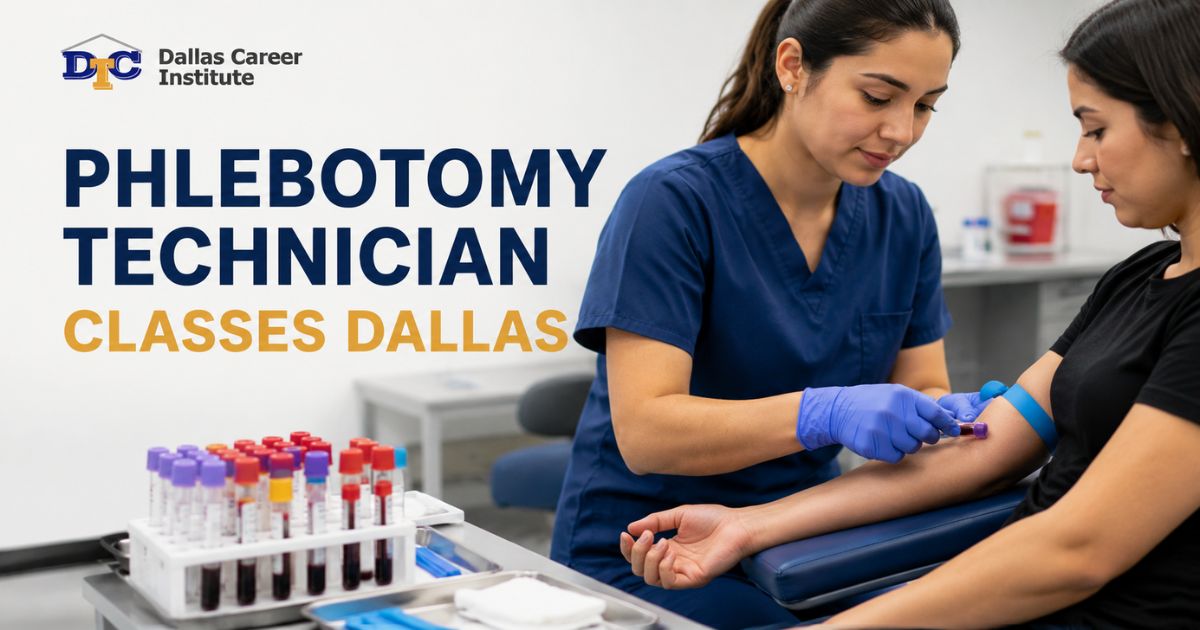
A phlebotomy program teaches much more than drawing blood. Students learn patient communication, infection control, safety procedures, specimen handling, and medical terms used in healthcare settings. These skills help students work with confidence in clinics, hospitals, labs, and diagnostic centers.
Hands-on practice is a major part of these programs. Reading about a skill helps, but real healthcare work requires actual practice. Students work with instructors so they can build confidence step by step. After all, no one wants shaky hands when handling medical equipment on day one.
Can Flexible Classes Make Healthcare Training Easier
Yes. Flexible scheduling is one of the top reasons adults pursue healthcare certification programs. Many students manage jobs, family duties, and other responsibilities while attending school. Programs with morning or evening options let learners keep their daily routines while building new skills at the same time.
Smaller class sizes also help students feel more supported and less stressed. A structured but flexible environment improves focus, motivation, and confidence throughout training. Learning becomes much easier when it fits into your life instead of competing with it.
Why Does Hands-On Learning Matter So Much
Healthcare is a hands-on field. Patients need professionals who can communicate clearly, follow procedures, and stay calm in busy settings. Hands-on training helps students build those abilities through repeated practice and direct feedback from instructors.
This approach also improves job readiness. Students who practice healthcare skills during training feel more comfortable stepping into real workplace settings. Tasks that once seemed hard begin to feel routine. That confidence makes a big difference when starting a new healthcare role.
How Long Does It Take to Complete Training
One big advantage of phlebotomy programs is the shorter timeline. Many programs can be completed in weeks or a few months, depending on scheduling and course structure. This shorter path lets students enter the workforce faster and spend less on education overall.
For working adults, faster completion is very important. Life does not pause for school. Bills arrive, schedules stay packed, and responsibilities keep building up. Short-term healthcare programs offer a realistic path for adults who want to grow their careers without years of waiting.
What Should You Look for Before Enrolling
Before choosing a program, review its structure, scheduling options, instructor support, and hands-on training. Make sure the program focuses on practical skills and career readiness rather than only classroom theory.
Location matters too. Many students searching for phlebotomy technician classes Dallas want programs that work around their jobs and commutes. A supportive setting with experienced instructors can improve your learning experience and help you feel ready for a healthcare career.
Does Career-Focused Education Improve Job Readiness
Career-focused programs prepare students more effectively because they center on real workplace skills. Instead of adding unrelated subjects, these programs teach exactly what employers need in clinical and patient care settings.
This focused approach helps students step into jobs with greater confidence. Many adults value training that feels practical and directly connected to real work. In today’s economy, targeted training can feel like a fresh start after years of career uncertainty.
Looking for Supportive Healthcare Training Options
At Dallas Career Institute, we know that adults need practical, flexible, and career-focused education. Our programs are built to help students develop real-world skills through hands-on learning and supportive instruction that fits modern, busy lives.
Final Thoughts
Healthcare careers no longer require years in a traditional classroom. A phlebotomy training helps adults build practical skills faster through flexible schedules, hands-on instruction, and career-focused education. For many students, this training is the first step toward financial stability and long-term career growth.If you are ready to explore healthcare with confidence, our team at Dallas Career Institute is here to help you take that next step with practical training built for real-world success.
FAQs
Q1:How long does phlebotomy training usually take?
Most phlebotomy training programs can be completed within several weeks to a few months, depending on the course schedule and program structure.
Q2:Do phlebotomy programs include hands-on training?
Yes. Most phlebotomy programs include practical training where students learn blood collection techniques and patient interaction skills under instructor supervision.
Q3:Can working adults attend phlebotomy classes?
Yes. Many healthcare training schools offer flexible class schedules, including morning and evening options, to accommodate working adults.
Q4:What jobs can you get after phlebotomy training?
Graduates may find employment in hospitals, medical laboratories, clinics, blood donation centers, and other healthcare facilities that require blood collection professionals.
Q5:Are phlebotomy careers in demand?
Yes. Healthcare organizations continue to seek trained phlebotomy professionals because diagnostic testing and patient care rely heavily on blood collection services.
