
How a Patient Care Technician Training School Prepares You for Hospital Work
Hospitals are busy places where every small action matters. From checking vital signs to helping patients feel calm, patient care technicians support care every day. Because of this, the right training makes a real difference. A patient care technici

Hospitals are busy places where every small action matters. From checking vital signs to helping patients feel calm, patient care technicians support care every day. Because of this, the right training makes a real difference. A patient care technician training school in Texas helps students build skills, safe habits, and confidence for real hospital work.
This blog explains how training programs prepare students for hospital roles. It also shows how hands-on learning, safety focus, and teamwork practice help new technicians succeed from their first day on the job.
Understanding the Role of a Patient Care Technician
Before learning skills, students need to understand their role. Patient care technicians, often called PCTs, support nurses and doctors. They help with daily patient care and simple medical tasks. So, training starts by clearly explaining job duties.
Students learn that PCTs work in hospitals, clinics, and care centers. They also see how their role fits into the care team. Because of this, students begin training with clear goals and honest expectations.
Strong Basics Build Hospital Readiness
Every strong program starts with basic knowledge. Classes teach simple medical terms, body systems, and common hospital tools. Since lessons use clear language, students understand topics without feeling confused.
Training often covers:
- Basic body parts and how they work
- Infection control and cleaning rules
- Patient rights and privacy laws
- Medical terms used in hospitals
Instructors also connect lessons to real hospital tasks. As a result, students understand how class learning applies to real work.
Hands-On Practice That Feels Like a Hospital
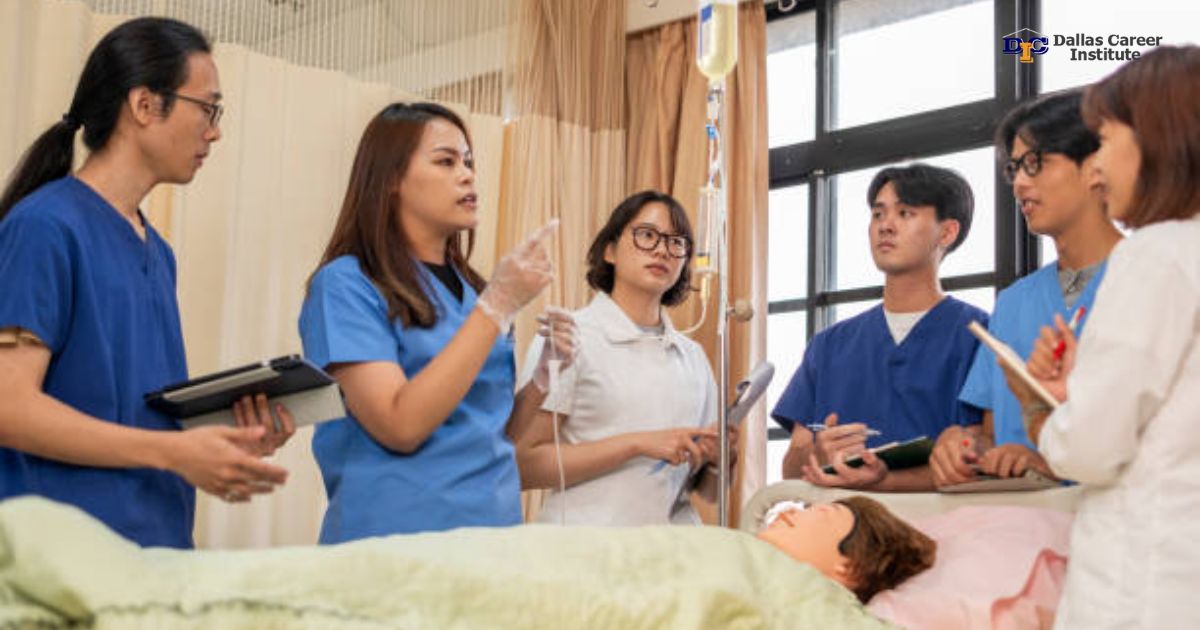
Practice builds confidence. Training schools focus on hands-on labs that copy hospital rooms. Students use real tools such as blood pressure cuffs, thermometers, and hospital beds.
Through practice, students learn how to:
- Take vital signs the correct way
- Help patients move safely
- Collect samples for testing
- Assist with daily care needs
Mistakes are part of learning. Instead of pressure, instructors give calm guidance. Over time, skills become easier and more natural.
Safety Training That Protects Patients and Staff
Safety is always important in hospitals. Training programs repeat safety steps often so they become habits. Students learn how to keep patients, coworkers, and themselves safe.
Important safety lessons include:
- Proper handwashing and glove use
- Preventing slips, falls, and injuries
- Safe lifting and moving methods
- Reporting problems right away
Because safety rules are practiced daily, students feel ready to follow hospital rules.
Read Also: Top Benefits of Attending a Medical Assistant Training School
Communication Skills for Real Patient Care
Clear communication prevents mistakes and builds trust. Training programs teach students how to speak kindly and listen closely. Role-play activities help students practice real-life talks.
Students learn how to:
- Explain simple care steps to patients
- Share updates with nurses clearly
- Stay calm during busy times
- Respect different cultures and needs
As a result, graduates feel comfortable speaking with patients and staff.
Learning Hospital Workflow and Teamwork
Hospitals follow clear routines. Training explains how shifts work, how reports are shared, and how teams stay organized. Students learn what happens at the start and end of shifts.
During training, many students search for a patient care technician training school near me to find programs offering local clinical experience. Local training often matches real hospital routines, which helps students adjust faster at work.
Clinical Experience That Builds Confidence
Many programs include real clinical hours. During this time, students work with patients under supervision. They use their skills while instructors provide help and feedback.
Clinical training helps students:
- Manage time during busy shifts
- Follow hospital rules
- Work with different care teams
- Build confidence with patients
Because of this real experience, students feel less nervous when starting a job.
Job Growth and Industry Trends
Healthcare education continues to grow across the country. Research shows that private medical education programs in the US have grown steadily. Student enrollment is also rising as healthcare needs increase. This trend shows strong demand for trained healthcare workers, including patient care technicians.
Because hospitals need skilled support staff, completing training can lead to steady job opportunities.
Certification and Career Preparation
Training programs also prepare students for certification exams. Review sessions and practice tests help students feel ready. Instructors explain exam rules and common questions.
Many programs also support students with:
- Resume writing help
- Interview practice
- Job search guidance
So, students finish training ready to apply for hospital jobs.
Later in the program, learners may again search for a patient care technician training school near me to compare job support and placement services. Programs that focus on student success often stand out.
Personal Support Makes Learning Easier
Supportive instructors help students stay motivated. Smaller class sizes allow teachers to give personal help. When students feel supported, learning feels easier and less stressful.
Friendly guidance also helps students face challenges. As a result, confidence grows with each new skill learned.
Conclusion: Step Into Hospital Work with Confidence
Training shapes how future technicians care for patients. A patient care technician training school in Texas prepares students through clear lessons, hands-on practice, safety focus, and real clinical experience. These steps help graduates feel ready for hospital work from day one.
If you want trusted, career-focused training, Dallas Career Institute offers patient care technician programs built around student success. With skilled instructors, real practice, and strong support, you can gain skills hospitals value. Take the next step toward a healthcare career where your work truly matters. Call now to Know more.
FAQ
Q1:What does a patient care technician do in a hospital?
A patient care technician helps patients with daily care, checks vital signs, and supports nurses with basic tasks.
Q2:How long does patient care technician training take?
Most programs last a few months, depending on class schedules and clinical hours.
Q3:WAre patient care technicians in demand?
Yes, hospitals and healthcare centers continue to need trained support workers.
Q4:Is hands-on training included?
Yes, hands-on labs and real clinical practice are important parts of training.
Q5:Can training lead to career growth?
They focus on using high-quality natural materials and recycled goods. Their goal is to create affordable, stylish pieces that reduce waste and promote a responsible fashion future.
